
Compare Local Contractors for Effective Lead Detection Services
Compare local contractors for lead detection to define scope, verify experience, and set clear expectations, ensuring a well-informed choice for your property needs.
Lead detection contractors typically handle services related to identifying and locating sources of unwanted or hazardous substances within a property. This work often involves assessing areas where lead-based paint might be present, especially in older buildings, or detecting lead in soil and water sources. Contractors may use specialized tools and techniques to accurately pinpoint the presence of lead, providing property owners with the information needed to make informed decisions about remediation or further testing. Understanding the scope of these services helps ensure that the specific concerns of a property are addressed effectively, whether it’s a residential home, commercial building, or land parcel.
Defining the scope of lead detection work is crucial because it sets clear expectations and helps avoid misunderstandings between property owners and service providers. A well-articulated scope specifies what areas will be inspected, what methods will be used, and what types of samples or testing will be conducted. This clarity ensures that contractors are aligned with the property owner’s concerns and that the work performed meets the specific needs of the property. It also provides a basis for comparing different contractors, as detailed scope descriptions allow for more accurate assessments of each provider’s approach and capabilities.
Property owners seeking lead detection services can compare local contractors by reviewing their experience, methods, and the extent of services offered. It’s helpful to ask about the types of inspections conducted, the tools used, and whether they have experience with properties similar to the one in question. Verifying that contractors clearly outline their scope and approach in writing enables property owners to evaluate how well each provider’s services align with their needs. By focusing on these practical factors, property owners can make informed decisions and select service providers who are capable of delivering thorough, reliable lead detection tailored to their specific property.
Compare local contractors by outlining priorities, verifying experience, and clearly defining project scope and expectations.
- Compare Contractors - Review multiple local service providers to evaluate their experience and service offerings.
- Define Project Scope - Clearly outline the work needed to ensure all parties understand expectations.
- Verify Experience - Check credentials and past work to assess the expertise of potential contractors.
- Set Expectations in Writing - Document project details and agreements to promote clarity and accountability.
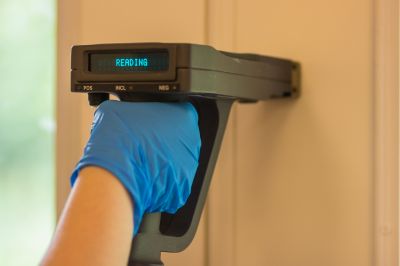
Clearly describe your lead detection project to compare local contractors, verify experience, and set expectations in writing.
- Verify experience in lead detection services to ensure contractors have relevant expertise. - Look for contractors who clearly outline their scope of work and methods for lead detection.
- Compare qualifications and service offerings to identify providers with comprehensive lead detection solutions. - Ensure contractors specify the techniques and tools they use for identifying lead hazards.
- Check for detailed written estimates that define the scope, procedures, and materials involved in the lead detection process. - Clarify what is included in the service to prevent misunderstandings later.
- Assess the contractor’s reputation and references to confirm a history of reliable lead detection work. - Seek feedback from previous clients to gauge the quality and thoroughness of their inspections.
- Confirm that the contractor provides clear communication about the lead detection process and sets expectations in writing. - Ensure all project details, responsibilities, and procedures are documented before work begins.
- Ensure the contractor adheres to safety and industry standards during lead detection to minimize potential hazards. - Look for providers who follow established protocols and best practices for lead hazard identification.
Compare local contractors’ experience and clarify project scope to ensure clear, aligned expectations.

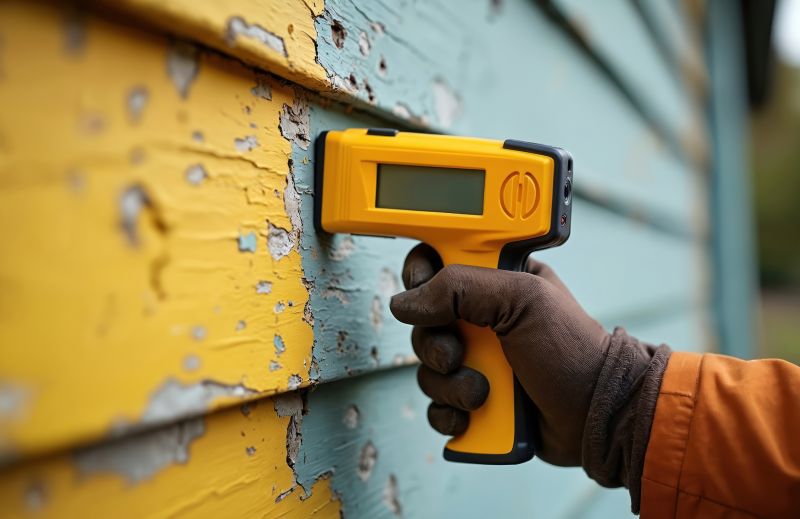


Ensure consistent comparisons of scope, experience, and expectations across local contractors for effective lead detection.
- Service Scope - Clearly define the specific lead detection services required to ensure alignment with local contractors' expertise.
- Experience Verification - Confirm that the service providers have relevant experience in lead detection within the local area.
- Qualifications and Credentials - Identify the qualifications or credentials that demonstrate the contractors' ability to perform lead detection work accurately.
- Communication Expectations - Establish how the service providers will communicate project details and progress in writing to set clear expectations.
- Availability of References - Determine if the contractors can provide references or examples of previous lead detection projects upon request.
When comparing contractors for lead detection, it’s important to assess their experience with similar projects. Service providers who have a proven track record working on homes or buildings with comparable construction types, ages, or previous lead issues are often better equipped to handle the specific challenges of your property. Asking about the types of projects they’ve completed can provide insight into their familiarity with lead detection techniques and their ability to identify potential hazards accurately. A contractor’s experience can influence the thoroughness and reliability of the inspection, making it a key factor in the selection process.
A clear, written scope of work is essential when evaluating lead detection contractors. This document should outline exactly what the inspection will cover, including areas to be tested, methods used, and the expected deliverables. Having a detailed scope helps ensure that both parties share the same expectations and can prevent misunderstandings later on. When reviewing proposals or descriptions, look for contractors who provide comprehensive, written explanations of their approach to lead detection, rather than vague or general statements. This clarity supports informed decision-making and helps establish a transparent working relationship.
Understanding the basics of verification is crucial when comparing lead detection services. Contractors should employ established methods such as visual inspections combined with sampling and laboratory analysis, where applicable. Inquire about their process for verifying the presence of lead hazards and how they confirm the accuracy of their findings. A reputable service provider will be transparent about their procedures and use standardized techniques to ensure results are reliable. Knowing how they verify their work can help gauge the thoroughness and credibility of their inspections.
Evaluating options without focusing on prices involves considering the contractor’s approach, communication, and professionalism. Look for service providers who clearly articulate their methods, provide detailed written scopes, and demonstrate an understanding of lead detection standards. It’s also helpful to review their reputation or references related to similar projects, ensuring they have the experience and reliability necessary for your needs. Comparing these qualitative aspects allows homeowners to select a contractor who offers a comprehensive, transparent, and competent service, aligning with the importance of safety and accuracy in lead detection.
Ask contractors to provide written scope details to ensure clarity and consistency throughout the lead detection project.
- Experience and Expertise - What specific experience do local contractors have with lead detection projects similar to this one?
- Scope of Work - How do contractors define and clarify the scope of lead detection services included in their proposals?
- Methodology and Equipment - What methods and tools do service providers use to identify and assess lead presence accurately?
- Qualifications and References - Can contractors provide references or examples of past work related to lead detection?
- Written Estimates and Expectations - Are the scope, process, and deliverables clearly outlined in a written agreement before work begins?
How can I find reliable contractors for lead detection services? Comparing local service providers involves reviewing their experience, verifying credentials, and assessing their reputation through references or reviews to ensure trustworthy lead detection work.
What should I consider when defining the scope of a lead detection project? Clearly outlining the areas to be tested, the type of lead detection methods needed, and any specific concerns can help ensure contractors understand your expectations and provide accurate assessments.
How do I verify the experience of a lead detection contractor? Ask contractors about their previous projects, request references, and confirm their familiarity with the specific lead detection techniques relevant to your property or situation.
Why is it important to put project details in writing? Having a written agreement that specifies the scope, methods, and expectations helps prevent misunderstandings and provides a clear basis for the work to be performed.
What questions should I ask when comparing lead detection service providers? Inquire about their experience, the detection methods they use, how they handle potential issues, and whether they provide detailed reports after completing the work.
How can I ensure a lead detection contractor is qualified to handle my project? Review their background, verify relevant experience, and ensure they understand the specific requirements of your property to select a qualified service provider.
This page has provided an overview of how to find and compare contractors specializing in lead detection services. Visitors learned the importance of clearly defining the scope of work, verifying the experience and reputation of service providers, and establishing expectations in writing to help ensure the project meets their needs. Utilizing the quote form allows for easy comparison among trusted local contractors, making it simpler to identify the best options available in the area.
Taking the next step involves using the quote form to connect with local service providers who can handle lead detection tasks. By gathering information and comparing local contractors, visitors can make informed decisions based on their specific requirements. This approach helps ensure that the chosen professionals are well-suited to deliver the services needed, with clear communication and defined expectations guiding the process.